Common Groundsel Senecio (3Ltr Pot)
Common Groundsel Senecio - Description
Potted Senecio vulgarisCommon Name: Common Groundsel
Other Names: Old-man-in-the-spring
Indoors or Outdoor: Typically found outdoors in natural environments
Size: Common Groundsel typically grows to a height of 15 to 30 centimeters.
Common Groundsel Senecio - Delivery
Delivery Info: We do not offer delivery for Common Groundsel Senecio as it is a common wild plant found in outdoor environments.Common Groundsel Senecio - Characteristics
Mature Size: Common Groundsel reaches a mature height of 15 to 30 centimeters.Evergreen or Deciduous: Deciduous, meaning it sheds its leaves in the fall.
Preferred Position: Common Groundsel thrives in full sun to partial shade.
Shape - Plant Characteristics: It has a bushy and branching growth habit with deeply lobed leaves.
Hardy or Not Hardy: Common Groundsel is hardy and can tolerate various environmental conditions.
Diseases: Generally disease-resistant when grown in suitable conditions.
Common Groundsel Senecio - Uses
Uses in Garden: Common Groundsel is usually considered a weed and may not be intentionally cultivated in gardens. It's often removed due to its invasive nature.Common Groundsel Senecio - Planting Characteristics
Preferred Planting Aspect: Common Groundsel can adapt to a wide range of planting aspects.Frost Hardy: Yes, it is frost hardy and can withstand cold temperatures.
Fast or Slow Growing: Common Groundsel is a fast-growing plant.
Pruning Advice: Regular pruning can help control its growth and prevent it from becoming invasive.
Common Groundsel Senecio - Planting Instructions in an Irish Climate
Sowing Time: Common Groundsel can be found growing naturally and does not typically require intentional planting.Instruction: If you wish to remove Common Groundsel from your garden, you can do so by pulling it up by the roots or using a suitable weed control method.
Trench Preparation: No trench preparation is needed for this common weed.
Positioning of Plants: Common Groundsel can adapt to various positions but is often found in open, disturbed areas.
Plant Spacing: If you choose to cultivate it, space the plants about 15 to 30 centimeters apart.
Pruning: Prune regularly to prevent it from spreading and taking over your garden.
Facts About Common Groundsel Senecio
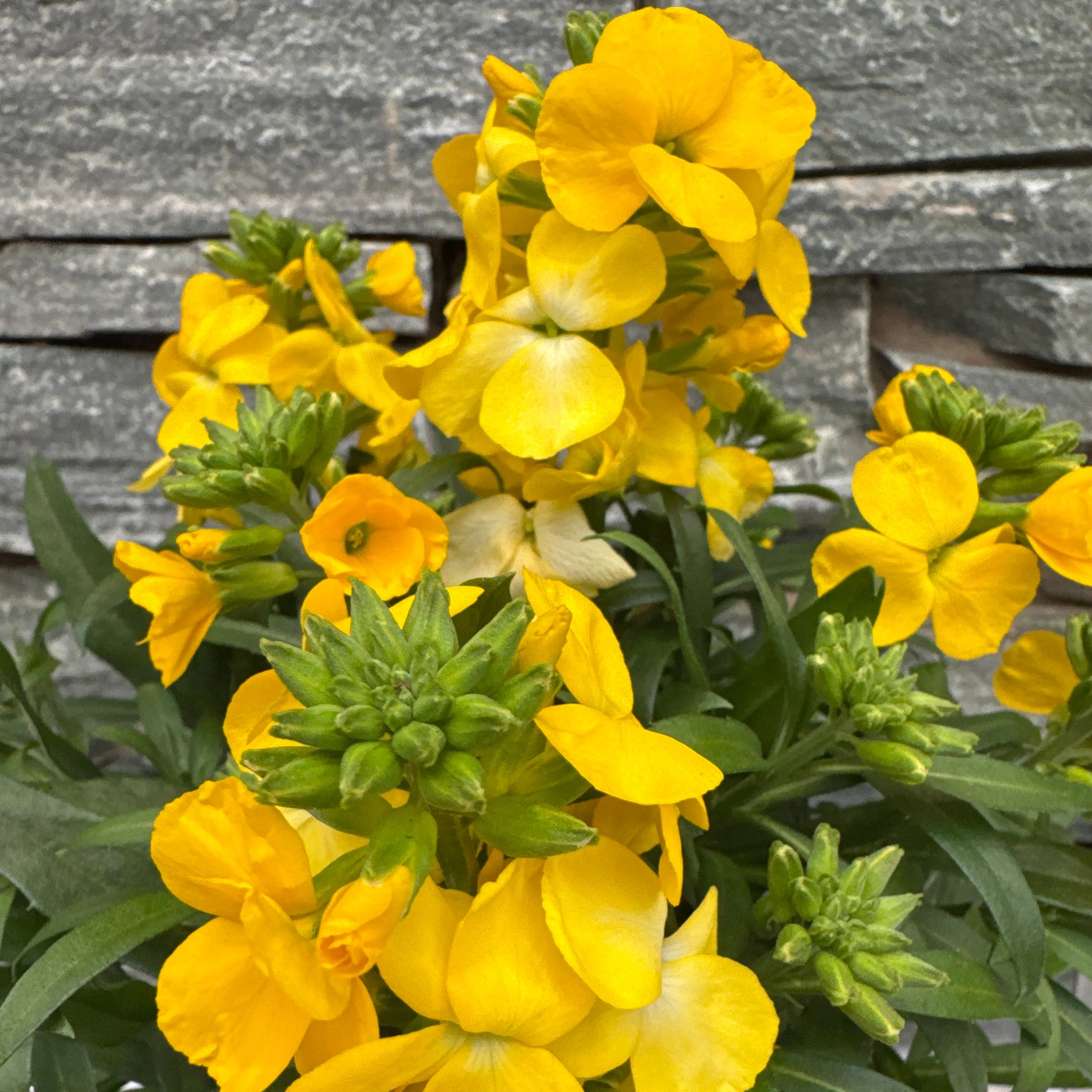
Common Groundsel, scientifically known as Senecio vulgaris, is a small annual weed that is commonly found in gardens, agricultural fields, and disturbed natural areas. While it is not typically cultivated intentionally, it is often considered a nuisance due to its ability to spread rapidly. Common Groundsel is known for its yellow, daisy-like flowers and deeply lobed leaves. It can adapt to a wide range of environmental conditions and is often seen as a resilient and hardy weed. If you wish to control or remove Common Groundsel from your garden, regular pruning and weed control methods are recommended.Product Information
Product Information
Shipping & Returns
Shipping & Returns
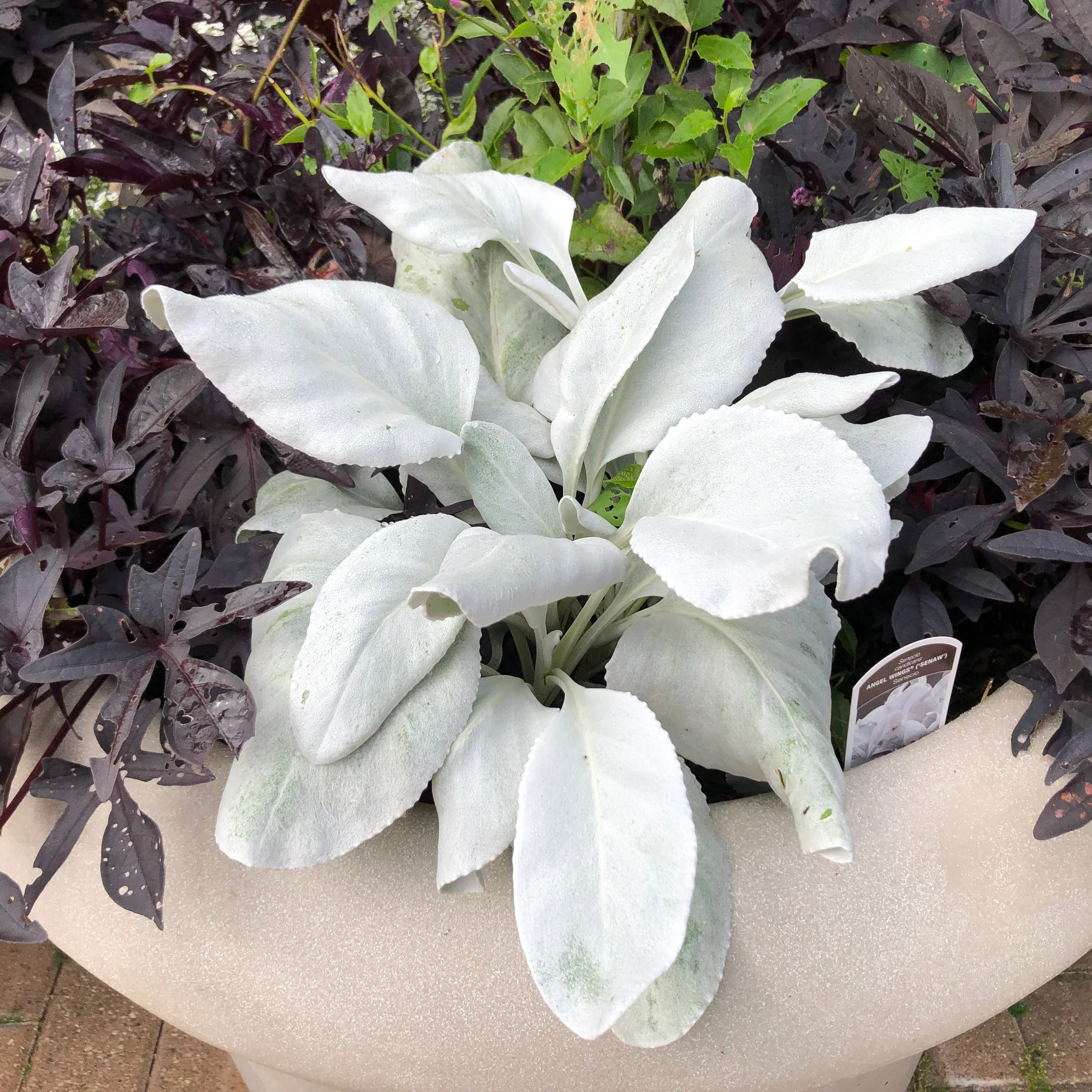
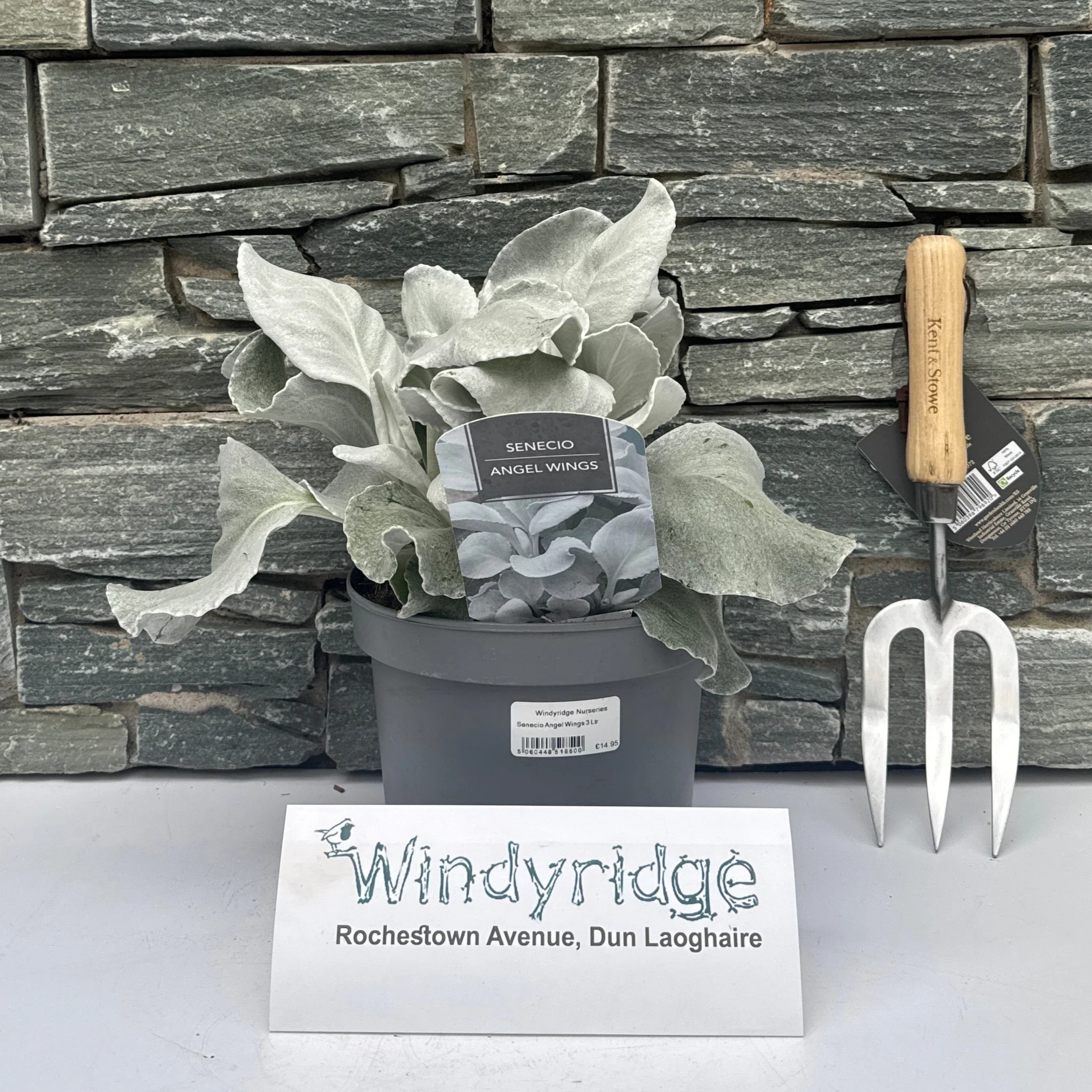

Common Groundsel Senecio (3Ltr Pot)
Common Groundsel Senecio (3Ltr Pot)
Common Groundsel Senecio - Description
Potted Senecio vulgarisCommon Name: Common Groundsel
Other Names: Old-man-in-the-spring
Indoors or Outdoor: Typically found outdoors in natural environments
Size: Common Groundsel typically grows to a height of 15 to 30 centimeters.
Common Groundsel Senecio - Delivery
Delivery Info: We do not offer delivery for Common Groundsel Senecio as it is a common wild plant found in outdoor environments.Common Groundsel Senecio - Characteristics
Mature Size: Common Groundsel reaches a mature height of 15 to 30 centimeters.Evergreen or Deciduous: Deciduous, meaning it sheds its leaves in the fall.
Preferred Position: Common Groundsel thrives in full sun to partial shade.
Shape - Plant Characteristics: It has a bushy and branching growth habit with deeply lobed leaves.
Hardy or Not Hardy: Common Groundsel is hardy and can tolerate various environmental conditions.
Diseases: Generally disease-resistant when grown in suitable conditions.
Common Groundsel Senecio - Uses
Uses in Garden: Common Groundsel is usually considered a weed and may not be intentionally cultivated in gardens. It's often removed due to its invasive nature.Common Groundsel Senecio - Planting Characteristics
Preferred Planting Aspect: Common Groundsel can adapt to a wide range of planting aspects.Frost Hardy: Yes, it is frost hardy and can withstand cold temperatures.
Fast or Slow Growing: Common Groundsel is a fast-growing plant.
Pruning Advice: Regular pruning can help control its growth and prevent it from becoming invasive.
Common Groundsel Senecio - Planting Instructions in an Irish Climate
Sowing Time: Common Groundsel can be found growing naturally and does not typically require intentional planting.Instruction: If you wish to remove Common Groundsel from your garden, you can do so by pulling it up by the roots or using a suitable weed control method.
Trench Preparation: No trench preparation is needed for this common weed.
Positioning of Plants: Common Groundsel can adapt to various positions but is often found in open, disturbed areas.
Plant Spacing: If you choose to cultivate it, space the plants about 15 to 30 centimeters apart.
Pruning: Prune regularly to prevent it from spreading and taking over your garden.
Facts About Common Groundsel Senecio
Common Groundsel, scientifically known as Senecio vulgaris, is a small annual weed that is commonly found in gardens, agricultural fields, and disturbed natural areas. While it is not typically cultivated intentionally, it is often considered a nuisance due to its ability to spread rapidly. Common Groundsel is known for its yellow, daisy-like flowers and deeply lobed leaves. It can adapt to a wide range of environmental conditions and is often seen as a resilient and hardy weed. If you wish to control or remove Common Groundsel from your garden, regular pruning and weed control methods are recommended.$6.11
Original: $17.46
-65%Common Groundsel Senecio (3Ltr Pot)—
$17.46
$6.11Product Information
Product Information
Shipping & Returns
Shipping & Returns
Description
Common Groundsel Senecio - Description
Potted Senecio vulgarisCommon Name: Common Groundsel
Other Names: Old-man-in-the-spring
Indoors or Outdoor: Typically found outdoors in natural environments
Size: Common Groundsel typically grows to a height of 15 to 30 centimeters.
Common Groundsel Senecio - Delivery
Delivery Info: We do not offer delivery for Common Groundsel Senecio as it is a common wild plant found in outdoor environments.Common Groundsel Senecio - Characteristics
Mature Size: Common Groundsel reaches a mature height of 15 to 30 centimeters.Evergreen or Deciduous: Deciduous, meaning it sheds its leaves in the fall.
Preferred Position: Common Groundsel thrives in full sun to partial shade.
Shape - Plant Characteristics: It has a bushy and branching growth habit with deeply lobed leaves.
Hardy or Not Hardy: Common Groundsel is hardy and can tolerate various environmental conditions.
Diseases: Generally disease-resistant when grown in suitable conditions.
Common Groundsel Senecio - Uses
Uses in Garden: Common Groundsel is usually considered a weed and may not be intentionally cultivated in gardens. It's often removed due to its invasive nature.Common Groundsel Senecio - Planting Characteristics
Preferred Planting Aspect: Common Groundsel can adapt to a wide range of planting aspects.Frost Hardy: Yes, it is frost hardy and can withstand cold temperatures.
Fast or Slow Growing: Common Groundsel is a fast-growing plant.
Pruning Advice: Regular pruning can help control its growth and prevent it from becoming invasive.
Common Groundsel Senecio - Planting Instructions in an Irish Climate
Sowing Time: Common Groundsel can be found growing naturally and does not typically require intentional planting.Instruction: If you wish to remove Common Groundsel from your garden, you can do so by pulling it up by the roots or using a suitable weed control method.
Trench Preparation: No trench preparation is needed for this common weed.
Positioning of Plants: Common Groundsel can adapt to various positions but is often found in open, disturbed areas.
Plant Spacing: If you choose to cultivate it, space the plants about 15 to 30 centimeters apart.
Pruning: Prune regularly to prevent it from spreading and taking over your garden.