Lavandula munstead
Lavandula munstead, commonly known as Munstead lavender, is a popular aromatic herb that thrives in the Irish climate. This fragrant perennial is highly valued for its compact growth habit and abundant blooms, making it an excellent choice for various uses in gardens across Ireland.
Height/Spread: Munstead lavender typically grows to a height of 1-2 feet (30-60 centimeters) with a spread of about 1-2 feet as well. Its compact nature makes it suitable for small gardens, containers, or even as a border plant in the Irish climate.
Position: Munstead lavender thrives in full sun, making it an ideal choice for gardens in Ireland that receive ample sunlight. It can tolerate some light shade, but for optimal growth and flowering, a sunny position is recommended.
Soil: This lavender variety prefers well-draining soil with good fertility. In the Irish climate, it is crucial to ensure the soil is not waterlogged to prevent root rot. Adding organic matter and improving drainage will create an ideal growing environment for Munstead lavender.
Flowering Season: Munstead lavender blooms in the summer months, typically from late spring to early autumn. Its flowers are known for their vibrant purple color and captivating fragrance, attracting pollinators to the garden.
Uses: Munstead lavender has versatile uses in the Irish climate. Its fragrant flowers and foliage make it a popular choice for aromatic gardens, herb gardens, and cottage-style landscapes. The flowers can be harvested and dried for potpourri, sachets, or culinary purposes, adding a delightful lavender scent to various products. Additionally, Munstead lavender is often used in perennial borders, rock gardens, and as a low hedge or edging plant, creating visual interest and providing a beautiful, fragrant addition to the landscape in Ireland.
Height/Spread: Munstead lavender typically grows to a height of 1-2 feet (30-60 centimeters) with a spread of about 1-2 feet as well. Its compact nature makes it suitable for small gardens, containers, or even as a border plant in the Irish climate.
Position: Munstead lavender thrives in full sun, making it an ideal choice for gardens in Ireland that receive ample sunlight. It can tolerate some light shade, but for optimal growth and flowering, a sunny position is recommended.
Soil: This lavender variety prefers well-draining soil with good fertility. In the Irish climate, it is crucial to ensure the soil is not waterlogged to prevent root rot. Adding organic matter and improving drainage will create an ideal growing environment for Munstead lavender.
Flowering Season: Munstead lavender blooms in the summer months, typically from late spring to early autumn. Its flowers are known for their vibrant purple color and captivating fragrance, attracting pollinators to the garden.
Uses: Munstead lavender has versatile uses in the Irish climate. Its fragrant flowers and foliage make it a popular choice for aromatic gardens, herb gardens, and cottage-style landscapes. The flowers can be harvested and dried for potpourri, sachets, or culinary purposes, adding a delightful lavender scent to various products. Additionally, Munstead lavender is often used in perennial borders, rock gardens, and as a low hedge or edging plant, creating visual interest and providing a beautiful, fragrant addition to the landscape in Ireland.
Product Information
Product Information
Shipping & Returns
Shipping & Returns

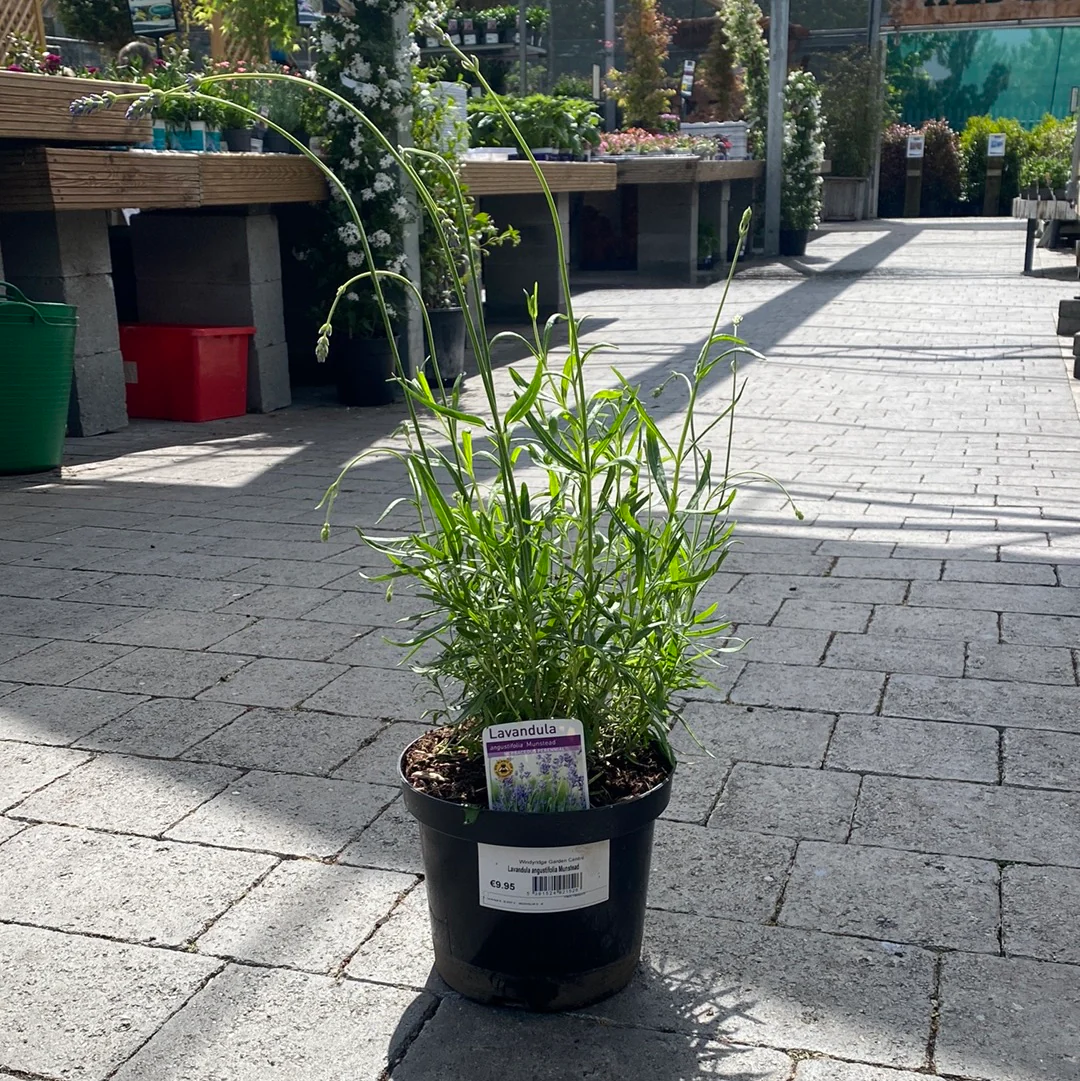
Lavandula munstead
Lavandula munstead
Lavandula munstead, commonly known as Munstead lavender, is a popular aromatic herb that thrives in the Irish climate. This fragrant perennial is highly valued for its compact growth habit and abundant blooms, making it an excellent choice for various uses in gardens across Ireland.
Height/Spread: Munstead lavender typically grows to a height of 1-2 feet (30-60 centimeters) with a spread of about 1-2 feet as well. Its compact nature makes it suitable for small gardens, containers, or even as a border plant in the Irish climate.
Position: Munstead lavender thrives in full sun, making it an ideal choice for gardens in Ireland that receive ample sunlight. It can tolerate some light shade, but for optimal growth and flowering, a sunny position is recommended.
Soil: This lavender variety prefers well-draining soil with good fertility. In the Irish climate, it is crucial to ensure the soil is not waterlogged to prevent root rot. Adding organic matter and improving drainage will create an ideal growing environment for Munstead lavender.
Flowering Season: Munstead lavender blooms in the summer months, typically from late spring to early autumn. Its flowers are known for their vibrant purple color and captivating fragrance, attracting pollinators to the garden.
Uses: Munstead lavender has versatile uses in the Irish climate. Its fragrant flowers and foliage make it a popular choice for aromatic gardens, herb gardens, and cottage-style landscapes. The flowers can be harvested and dried for potpourri, sachets, or culinary purposes, adding a delightful lavender scent to various products. Additionally, Munstead lavender is often used in perennial borders, rock gardens, and as a low hedge or edging plant, creating visual interest and providing a beautiful, fragrant addition to the landscape in Ireland.
Height/Spread: Munstead lavender typically grows to a height of 1-2 feet (30-60 centimeters) with a spread of about 1-2 feet as well. Its compact nature makes it suitable for small gardens, containers, or even as a border plant in the Irish climate.
Position: Munstead lavender thrives in full sun, making it an ideal choice for gardens in Ireland that receive ample sunlight. It can tolerate some light shade, but for optimal growth and flowering, a sunny position is recommended.
Soil: This lavender variety prefers well-draining soil with good fertility. In the Irish climate, it is crucial to ensure the soil is not waterlogged to prevent root rot. Adding organic matter and improving drainage will create an ideal growing environment for Munstead lavender.
Flowering Season: Munstead lavender blooms in the summer months, typically from late spring to early autumn. Its flowers are known for their vibrant purple color and captivating fragrance, attracting pollinators to the garden.
Uses: Munstead lavender has versatile uses in the Irish climate. Its fragrant flowers and foliage make it a popular choice for aromatic gardens, herb gardens, and cottage-style landscapes. The flowers can be harvested and dried for potpourri, sachets, or culinary purposes, adding a delightful lavender scent to various products. Additionally, Munstead lavender is often used in perennial borders, rock gardens, and as a low hedge or edging plant, creating visual interest and providing a beautiful, fragrant addition to the landscape in Ireland.
$4.07
Original: $11.62
-65%Lavandula munstead—
$11.62
$4.07Product Information
Product Information
Shipping & Returns
Shipping & Returns
Description
Lavandula munstead, commonly known as Munstead lavender, is a popular aromatic herb that thrives in the Irish climate. This fragrant perennial is highly valued for its compact growth habit and abundant blooms, making it an excellent choice for various uses in gardens across Ireland.
Height/Spread: Munstead lavender typically grows to a height of 1-2 feet (30-60 centimeters) with a spread of about 1-2 feet as well. Its compact nature makes it suitable for small gardens, containers, or even as a border plant in the Irish climate.
Position: Munstead lavender thrives in full sun, making it an ideal choice for gardens in Ireland that receive ample sunlight. It can tolerate some light shade, but for optimal growth and flowering, a sunny position is recommended.
Soil: This lavender variety prefers well-draining soil with good fertility. In the Irish climate, it is crucial to ensure the soil is not waterlogged to prevent root rot. Adding organic matter and improving drainage will create an ideal growing environment for Munstead lavender.
Flowering Season: Munstead lavender blooms in the summer months, typically from late spring to early autumn. Its flowers are known for their vibrant purple color and captivating fragrance, attracting pollinators to the garden.
Uses: Munstead lavender has versatile uses in the Irish climate. Its fragrant flowers and foliage make it a popular choice for aromatic gardens, herb gardens, and cottage-style landscapes. The flowers can be harvested and dried for potpourri, sachets, or culinary purposes, adding a delightful lavender scent to various products. Additionally, Munstead lavender is often used in perennial borders, rock gardens, and as a low hedge or edging plant, creating visual interest and providing a beautiful, fragrant addition to the landscape in Ireland.
Height/Spread: Munstead lavender typically grows to a height of 1-2 feet (30-60 centimeters) with a spread of about 1-2 feet as well. Its compact nature makes it suitable for small gardens, containers, or even as a border plant in the Irish climate.
Position: Munstead lavender thrives in full sun, making it an ideal choice for gardens in Ireland that receive ample sunlight. It can tolerate some light shade, but for optimal growth and flowering, a sunny position is recommended.
Soil: This lavender variety prefers well-draining soil with good fertility. In the Irish climate, it is crucial to ensure the soil is not waterlogged to prevent root rot. Adding organic matter and improving drainage will create an ideal growing environment for Munstead lavender.
Flowering Season: Munstead lavender blooms in the summer months, typically from late spring to early autumn. Its flowers are known for their vibrant purple color and captivating fragrance, attracting pollinators to the garden.
Uses: Munstead lavender has versatile uses in the Irish climate. Its fragrant flowers and foliage make it a popular choice for aromatic gardens, herb gardens, and cottage-style landscapes. The flowers can be harvested and dried for potpourri, sachets, or culinary purposes, adding a delightful lavender scent to various products. Additionally, Munstead lavender is often used in perennial borders, rock gardens, and as a low hedge or edging plant, creating visual interest and providing a beautiful, fragrant addition to the landscape in Ireland.