PHOENIX CANARIENSIS CLT 18 H 80 - 125 CM
Phoenix canariensis, commonly known as the Canary Island date palm, is an impressive and majestic palm tree that adds a touch of exotic beauty to gardens in the Irish climate. It is a sought-after plant known for its robust growth and striking appearance.
Height/Spread: Phoenix canariensis can reach heights of up to 40-60 feet (12-18 meters) with a spread of about 20-25 feet (6-7.5 meters). Its towering stature makes it a prominent feature in landscapes and gardens, particularly in larger outdoor spaces in the Irish climate.
Position: This palm tree thrives in a sunny position, preferably in a sheltered spot to protect it from strong winds. In the Irish climate, it is best planted in a south-facing location to maximize exposure to sunlight and create an optimal growing environment.
Soil: Phoenix canariensis prefers well-draining soil that is fertile and rich in organic matter. It can tolerate a range of soil types, including sandy or loamy soil, as long as it is not waterlogged. Adequate soil preparation and drainage are essential for the successful cultivation of this palm tree in the Irish climate.
Flowering Season: While Phoenix canariensis is primarily admired for its magnificent foliage and overall structure, it produces small, cream-colored flowers in late spring or early summer. These flowers are followed by ornamental, date-like fruits that add visual interest to the tree.
Uses: Phoenix canariensis serves multiple purposes in the Irish climate. Its grand presence and lush foliage make it an excellent choice for creating a tropical or Mediterranean-themed garden. It can be used as a focal point, providing shade and adding a sense of elegance to landscapes. Additionally, this palm tree is commonly used in coastal areas to create windbreaks and add a touch of exotic allure to seaside gardens.
Height/Spread: Phoenix canariensis can reach heights of up to 40-60 feet (12-18 meters) with a spread of about 20-25 feet (6-7.5 meters). Its towering stature makes it a prominent feature in landscapes and gardens, particularly in larger outdoor spaces in the Irish climate.
Position: This palm tree thrives in a sunny position, preferably in a sheltered spot to protect it from strong winds. In the Irish climate, it is best planted in a south-facing location to maximize exposure to sunlight and create an optimal growing environment.
Soil: Phoenix canariensis prefers well-draining soil that is fertile and rich in organic matter. It can tolerate a range of soil types, including sandy or loamy soil, as long as it is not waterlogged. Adequate soil preparation and drainage are essential for the successful cultivation of this palm tree in the Irish climate.
Flowering Season: While Phoenix canariensis is primarily admired for its magnificent foliage and overall structure, it produces small, cream-colored flowers in late spring or early summer. These flowers are followed by ornamental, date-like fruits that add visual interest to the tree.
Uses: Phoenix canariensis serves multiple purposes in the Irish climate. Its grand presence and lush foliage make it an excellent choice for creating a tropical or Mediterranean-themed garden. It can be used as a focal point, providing shade and adding a sense of elegance to landscapes. Additionally, this palm tree is commonly used in coastal areas to create windbreaks and add a touch of exotic allure to seaside gardens.
Product Information
Product Information
Shipping & Returns
Shipping & Returns
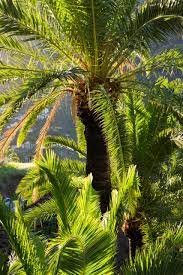
PHOENIX CANARIENSIS CLT 18 H 80 - 125 CM
PHOENIX CANARIENSIS CLT 18 H 80 - 125 CM
Phoenix canariensis, commonly known as the Canary Island date palm, is an impressive and majestic palm tree that adds a touch of exotic beauty to gardens in the Irish climate. It is a sought-after plant known for its robust growth and striking appearance.
Height/Spread: Phoenix canariensis can reach heights of up to 40-60 feet (12-18 meters) with a spread of about 20-25 feet (6-7.5 meters). Its towering stature makes it a prominent feature in landscapes and gardens, particularly in larger outdoor spaces in the Irish climate.
Position: This palm tree thrives in a sunny position, preferably in a sheltered spot to protect it from strong winds. In the Irish climate, it is best planted in a south-facing location to maximize exposure to sunlight and create an optimal growing environment.
Soil: Phoenix canariensis prefers well-draining soil that is fertile and rich in organic matter. It can tolerate a range of soil types, including sandy or loamy soil, as long as it is not waterlogged. Adequate soil preparation and drainage are essential for the successful cultivation of this palm tree in the Irish climate.
Flowering Season: While Phoenix canariensis is primarily admired for its magnificent foliage and overall structure, it produces small, cream-colored flowers in late spring or early summer. These flowers are followed by ornamental, date-like fruits that add visual interest to the tree.
Uses: Phoenix canariensis serves multiple purposes in the Irish climate. Its grand presence and lush foliage make it an excellent choice for creating a tropical or Mediterranean-themed garden. It can be used as a focal point, providing shade and adding a sense of elegance to landscapes. Additionally, this palm tree is commonly used in coastal areas to create windbreaks and add a touch of exotic allure to seaside gardens.
Height/Spread: Phoenix canariensis can reach heights of up to 40-60 feet (12-18 meters) with a spread of about 20-25 feet (6-7.5 meters). Its towering stature makes it a prominent feature in landscapes and gardens, particularly in larger outdoor spaces in the Irish climate.
Position: This palm tree thrives in a sunny position, preferably in a sheltered spot to protect it from strong winds. In the Irish climate, it is best planted in a south-facing location to maximize exposure to sunlight and create an optimal growing environment.
Soil: Phoenix canariensis prefers well-draining soil that is fertile and rich in organic matter. It can tolerate a range of soil types, including sandy or loamy soil, as long as it is not waterlogged. Adequate soil preparation and drainage are essential for the successful cultivation of this palm tree in the Irish climate.
Flowering Season: While Phoenix canariensis is primarily admired for its magnificent foliage and overall structure, it produces small, cream-colored flowers in late spring or early summer. These flowers are followed by ornamental, date-like fruits that add visual interest to the tree.
Uses: Phoenix canariensis serves multiple purposes in the Irish climate. Its grand presence and lush foliage make it an excellent choice for creating a tropical or Mediterranean-themed garden. It can be used as a focal point, providing shade and adding a sense of elegance to landscapes. Additionally, this palm tree is commonly used in coastal areas to create windbreaks and add a touch of exotic allure to seaside gardens.
$105.07
PHOENIX CANARIENSIS CLT 18 H 80 - 125 CM—
$105.07
Product Information
Product Information
Shipping & Returns
Shipping & Returns
Description
Phoenix canariensis, commonly known as the Canary Island date palm, is an impressive and majestic palm tree that adds a touch of exotic beauty to gardens in the Irish climate. It is a sought-after plant known for its robust growth and striking appearance.
Height/Spread: Phoenix canariensis can reach heights of up to 40-60 feet (12-18 meters) with a spread of about 20-25 feet (6-7.5 meters). Its towering stature makes it a prominent feature in landscapes and gardens, particularly in larger outdoor spaces in the Irish climate.
Position: This palm tree thrives in a sunny position, preferably in a sheltered spot to protect it from strong winds. In the Irish climate, it is best planted in a south-facing location to maximize exposure to sunlight and create an optimal growing environment.
Soil: Phoenix canariensis prefers well-draining soil that is fertile and rich in organic matter. It can tolerate a range of soil types, including sandy or loamy soil, as long as it is not waterlogged. Adequate soil preparation and drainage are essential for the successful cultivation of this palm tree in the Irish climate.
Flowering Season: While Phoenix canariensis is primarily admired for its magnificent foliage and overall structure, it produces small, cream-colored flowers in late spring or early summer. These flowers are followed by ornamental, date-like fruits that add visual interest to the tree.
Uses: Phoenix canariensis serves multiple purposes in the Irish climate. Its grand presence and lush foliage make it an excellent choice for creating a tropical or Mediterranean-themed garden. It can be used as a focal point, providing shade and adding a sense of elegance to landscapes. Additionally, this palm tree is commonly used in coastal areas to create windbreaks and add a touch of exotic allure to seaside gardens.
Height/Spread: Phoenix canariensis can reach heights of up to 40-60 feet (12-18 meters) with a spread of about 20-25 feet (6-7.5 meters). Its towering stature makes it a prominent feature in landscapes and gardens, particularly in larger outdoor spaces in the Irish climate.
Position: This palm tree thrives in a sunny position, preferably in a sheltered spot to protect it from strong winds. In the Irish climate, it is best planted in a south-facing location to maximize exposure to sunlight and create an optimal growing environment.
Soil: Phoenix canariensis prefers well-draining soil that is fertile and rich in organic matter. It can tolerate a range of soil types, including sandy or loamy soil, as long as it is not waterlogged. Adequate soil preparation and drainage are essential for the successful cultivation of this palm tree in the Irish climate.
Flowering Season: While Phoenix canariensis is primarily admired for its magnificent foliage and overall structure, it produces small, cream-colored flowers in late spring or early summer. These flowers are followed by ornamental, date-like fruits that add visual interest to the tree.
Uses: Phoenix canariensis serves multiple purposes in the Irish climate. Its grand presence and lush foliage make it an excellent choice for creating a tropical or Mediterranean-themed garden. It can be used as a focal point, providing shade and adding a sense of elegance to landscapes. Additionally, this palm tree is commonly used in coastal areas to create windbreaks and add a touch of exotic allure to seaside gardens.