Betula nigra Shiloh Splash
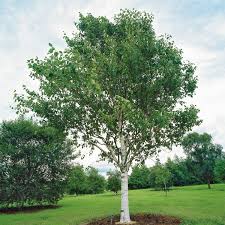
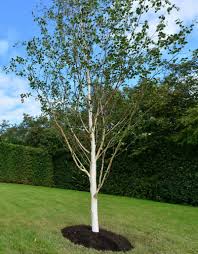
Betula nigra 'Shiloh Splash' is a striking cultivar of river birch known for its unique variegated foliage and graceful form.
Height/Spread: 'Shiloh Splash' typically reaches a height of 30-40 feet (9-12 meters) with a spread of 20-30 feet (6-9 meters), forming an elegant and medium-sized tree.
Position: This cultivar thrives in a position that receives full sun to partial shade. It prefers moist, well-draining soil but can tolerate wetter conditions, making it suitable for areas near water features or damp locations.
Soil: 'Shiloh Splash' prefers acidic to neutral soil with good moisture retention. It adapts well to various soil types, including clay, loam, and sand.
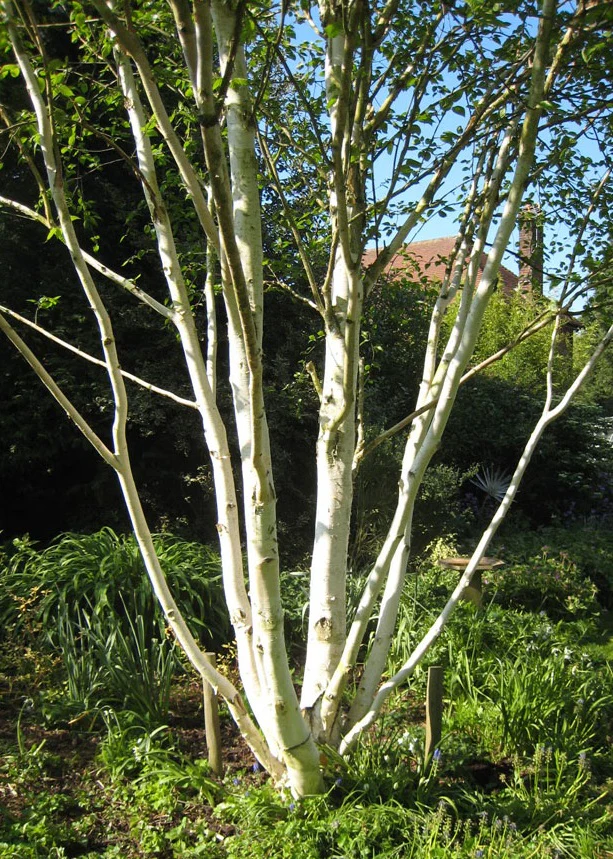
Flowering Season: River birch trees, including 'Shiloh Splash,' are not particularly known for their showy flowers. However, they compensate with their attractive exfoliating bark that displays shades of brown, pink, and orange, adding visual interest year-round.
Uses: This cultivar is prized for its ornamental qualities and can be used as a specimen tree in gardens, parks, or larger landscapes. Its variegated foliage adds a touch of visual appeal, and the peeling bark provides unique textural interest. Additionally, river birch trees are often planted near water bodies, as they can tolerate moist soils and help with erosion control.
Product Information
Product Information
Shipping & Returns
Shipping & Returns

Betula nigra Shiloh Splash
Betula nigra Shiloh Splash
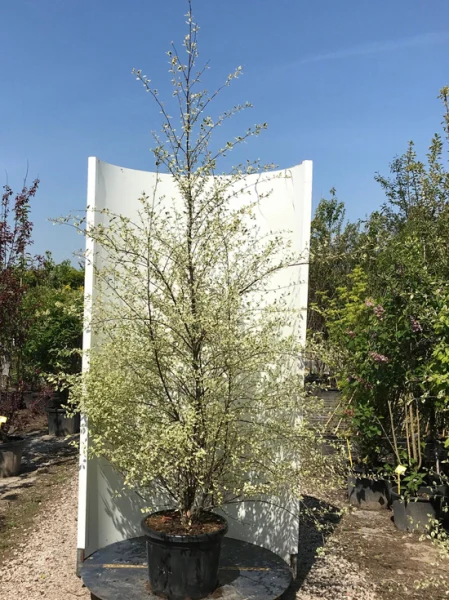
Betula nigra 'Shiloh Splash' is a striking cultivar of river birch known for its unique variegated foliage and graceful form.
Height/Spread: 'Shiloh Splash' typically reaches a height of 30-40 feet (9-12 meters) with a spread of 20-30 feet (6-9 meters), forming an elegant and medium-sized tree.
Position: This cultivar thrives in a position that receives full sun to partial shade. It prefers moist, well-draining soil but can tolerate wetter conditions, making it suitable for areas near water features or damp locations.
Soil: 'Shiloh Splash' prefers acidic to neutral soil with good moisture retention. It adapts well to various soil types, including clay, loam, and sand.
Flowering Season: River birch trees, including 'Shiloh Splash,' are not particularly known for their showy flowers. However, they compensate with their attractive exfoliating bark that displays shades of brown, pink, and orange, adding visual interest year-round.
Uses: This cultivar is prized for its ornamental qualities and can be used as a specimen tree in gardens, parks, or larger landscapes. Its variegated foliage adds a touch of visual appeal, and the peeling bark provides unique textural interest. Additionally, river birch trees are often planted near water bodies, as they can tolerate moist soils and help with erosion control.
Product Information
Product Information
Shipping & Returns
Shipping & Returns
Description
Betula nigra 'Shiloh Splash' is a striking cultivar of river birch known for its unique variegated foliage and graceful form.
Height/Spread: 'Shiloh Splash' typically reaches a height of 30-40 feet (9-12 meters) with a spread of 20-30 feet (6-9 meters), forming an elegant and medium-sized tree.
Position: This cultivar thrives in a position that receives full sun to partial shade. It prefers moist, well-draining soil but can tolerate wetter conditions, making it suitable for areas near water features or damp locations.
Soil: 'Shiloh Splash' prefers acidic to neutral soil with good moisture retention. It adapts well to various soil types, including clay, loam, and sand.
Flowering Season: River birch trees, including 'Shiloh Splash,' are not particularly known for their showy flowers. However, they compensate with their attractive exfoliating bark that displays shades of brown, pink, and orange, adding visual interest year-round.
Uses: This cultivar is prized for its ornamental qualities and can be used as a specimen tree in gardens, parks, or larger landscapes. Its variegated foliage adds a touch of visual appeal, and the peeling bark provides unique textural interest. Additionally, river birch trees are often planted near water bodies, as they can tolerate moist soils and help with erosion control.