Hydrangea anomala petiolaris
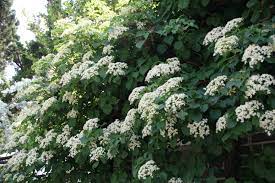
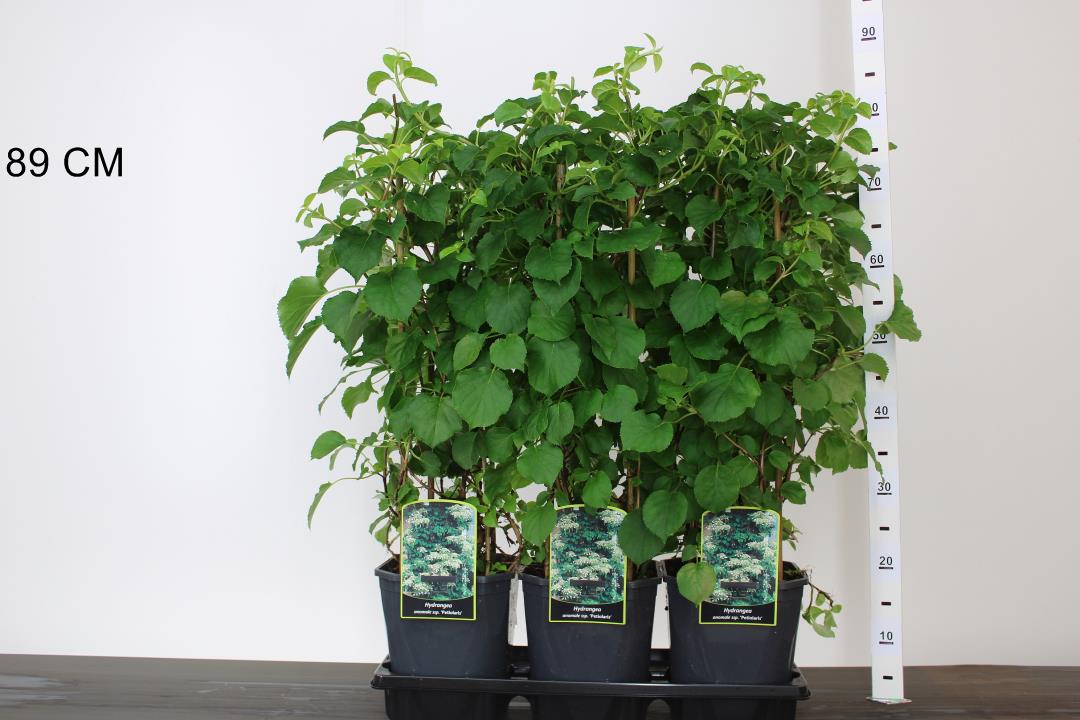
Hydrangea anomala petiolaris, commonly known as Climbing Hydrangea, is a vigorous and beautiful flowering vine that adds charm and elegance to the Irish climate. Its ability to climb and cling to walls, fences, and trellises makes it a versatile and sought-after plant for vertical accents in gardens.
Height/Spread: Climbing Hydrangea can reach an impressive height of up to 12 meters (40 feet) when mature, while its spread can reach 4-8 meters (13-26 feet). It develops woody stems over time, providing a sturdy and durable structure for climbing.
Position: This hydrangea variety thrives in a partially shaded position in the Irish climate. It prefers a location with morning sun and afternoon shade or filtered light. North-facing or east-facing walls are often excellent choices as they provide the necessary light balance.
Soil: Climbing Hydrangea prefers moist, well-draining soil. It adapts well to a range of soil types, including loam, clay, and sandy soils. However, it appreciates soil that is rich in organic matter. Adequate soil moisture is crucial, but waterlogging should be avoided.
Flowering Season: The Climbing Hydrangea produces showy and fragrant clusters of creamy white flowers during the summer months, typically from June to July. The flowers emerge against the backdrop of deep green, glossy leaves, creating a stunning contrast.
Uses: This versatile climber is highly valued for its ability to cover walls, fences, and other vertical structures with lush foliage and beautiful blooms. In addition to its ornamental qualities, Climbing Hydrangea also provides excellent coverage for unsightly areas or for creating privacy screens in gardens. It can be trained to grow horizontally along a wall or allowed to cascade down from an elevated position.
In the Irish climate, where ample rainfall and moderate temperatures are common, Hydrangea anomala petiolaris thrives. Its adaptability to various soil types, ability to tolerate shade, and impressive climbing habit make it a reliable and attractive choice for gardeners seeking a stunning vertical accent.
Height/Spread: Climbing Hydrangea can reach an impressive height of up to 12 meters (40 feet) when mature, while its spread can reach 4-8 meters (13-26 feet). It develops woody stems over time, providing a sturdy and durable structure for climbing.
Position: This hydrangea variety thrives in a partially shaded position in the Irish climate. It prefers a location with morning sun and afternoon shade or filtered light. North-facing or east-facing walls are often excellent choices as they provide the necessary light balance.
Soil: Climbing Hydrangea prefers moist, well-draining soil. It adapts well to a range of soil types, including loam, clay, and sandy soils. However, it appreciates soil that is rich in organic matter. Adequate soil moisture is crucial, but waterlogging should be avoided.
Flowering Season: The Climbing Hydrangea produces showy and fragrant clusters of creamy white flowers during the summer months, typically from June to July. The flowers emerge against the backdrop of deep green, glossy leaves, creating a stunning contrast.
Uses: This versatile climber is highly valued for its ability to cover walls, fences, and other vertical structures with lush foliage and beautiful blooms. In addition to its ornamental qualities, Climbing Hydrangea also provides excellent coverage for unsightly areas or for creating privacy screens in gardens. It can be trained to grow horizontally along a wall or allowed to cascade down from an elevated position.
In the Irish climate, where ample rainfall and moderate temperatures are common, Hydrangea anomala petiolaris thrives. Its adaptability to various soil types, ability to tolerate shade, and impressive climbing habit make it a reliable and attractive choice for gardeners seeking a stunning vertical accent.
Product Information
Product Information
Shipping & Returns
Shipping & Returns
Hydrangea anomala petiolaris
Hydrangea anomala petiolaris
Hydrangea anomala petiolaris, commonly known as Climbing Hydrangea, is a vigorous and beautiful flowering vine that adds charm and elegance to the Irish climate. Its ability to climb and cling to walls, fences, and trellises makes it a versatile and sought-after plant for vertical accents in gardens.
Height/Spread: Climbing Hydrangea can reach an impressive height of up to 12 meters (40 feet) when mature, while its spread can reach 4-8 meters (13-26 feet). It develops woody stems over time, providing a sturdy and durable structure for climbing.
Position: This hydrangea variety thrives in a partially shaded position in the Irish climate. It prefers a location with morning sun and afternoon shade or filtered light. North-facing or east-facing walls are often excellent choices as they provide the necessary light balance.
Soil: Climbing Hydrangea prefers moist, well-draining soil. It adapts well to a range of soil types, including loam, clay, and sandy soils. However, it appreciates soil that is rich in organic matter. Adequate soil moisture is crucial, but waterlogging should be avoided.
Flowering Season: The Climbing Hydrangea produces showy and fragrant clusters of creamy white flowers during the summer months, typically from June to July. The flowers emerge against the backdrop of deep green, glossy leaves, creating a stunning contrast.
Uses: This versatile climber is highly valued for its ability to cover walls, fences, and other vertical structures with lush foliage and beautiful blooms. In addition to its ornamental qualities, Climbing Hydrangea also provides excellent coverage for unsightly areas or for creating privacy screens in gardens. It can be trained to grow horizontally along a wall or allowed to cascade down from an elevated position.
In the Irish climate, where ample rainfall and moderate temperatures are common, Hydrangea anomala petiolaris thrives. Its adaptability to various soil types, ability to tolerate shade, and impressive climbing habit make it a reliable and attractive choice for gardeners seeking a stunning vertical accent.
Height/Spread: Climbing Hydrangea can reach an impressive height of up to 12 meters (40 feet) when mature, while its spread can reach 4-8 meters (13-26 feet). It develops woody stems over time, providing a sturdy and durable structure for climbing.
Position: This hydrangea variety thrives in a partially shaded position in the Irish climate. It prefers a location with morning sun and afternoon shade or filtered light. North-facing or east-facing walls are often excellent choices as they provide the necessary light balance.
Soil: Climbing Hydrangea prefers moist, well-draining soil. It adapts well to a range of soil types, including loam, clay, and sandy soils. However, it appreciates soil that is rich in organic matter. Adequate soil moisture is crucial, but waterlogging should be avoided.
Flowering Season: The Climbing Hydrangea produces showy and fragrant clusters of creamy white flowers during the summer months, typically from June to July. The flowers emerge against the backdrop of deep green, glossy leaves, creating a stunning contrast.
Uses: This versatile climber is highly valued for its ability to cover walls, fences, and other vertical structures with lush foliage and beautiful blooms. In addition to its ornamental qualities, Climbing Hydrangea also provides excellent coverage for unsightly areas or for creating privacy screens in gardens. It can be trained to grow horizontally along a wall or allowed to cascade down from an elevated position.
In the Irish climate, where ample rainfall and moderate temperatures are common, Hydrangea anomala petiolaris thrives. Its adaptability to various soil types, ability to tolerate shade, and impressive climbing habit make it a reliable and attractive choice for gardeners seeking a stunning vertical accent.
$6.52
Original: $18.63
-65%Hydrangea anomala petiolaris—
$18.63
$6.52Product Information
Product Information
Shipping & Returns
Shipping & Returns
Description
Hydrangea anomala petiolaris, commonly known as Climbing Hydrangea, is a vigorous and beautiful flowering vine that adds charm and elegance to the Irish climate. Its ability to climb and cling to walls, fences, and trellises makes it a versatile and sought-after plant for vertical accents in gardens.
Height/Spread: Climbing Hydrangea can reach an impressive height of up to 12 meters (40 feet) when mature, while its spread can reach 4-8 meters (13-26 feet). It develops woody stems over time, providing a sturdy and durable structure for climbing.
Position: This hydrangea variety thrives in a partially shaded position in the Irish climate. It prefers a location with morning sun and afternoon shade or filtered light. North-facing or east-facing walls are often excellent choices as they provide the necessary light balance.
Soil: Climbing Hydrangea prefers moist, well-draining soil. It adapts well to a range of soil types, including loam, clay, and sandy soils. However, it appreciates soil that is rich in organic matter. Adequate soil moisture is crucial, but waterlogging should be avoided.
Flowering Season: The Climbing Hydrangea produces showy and fragrant clusters of creamy white flowers during the summer months, typically from June to July. The flowers emerge against the backdrop of deep green, glossy leaves, creating a stunning contrast.
Uses: This versatile climber is highly valued for its ability to cover walls, fences, and other vertical structures with lush foliage and beautiful blooms. In addition to its ornamental qualities, Climbing Hydrangea also provides excellent coverage for unsightly areas or for creating privacy screens in gardens. It can be trained to grow horizontally along a wall or allowed to cascade down from an elevated position.
In the Irish climate, where ample rainfall and moderate temperatures are common, Hydrangea anomala petiolaris thrives. Its adaptability to various soil types, ability to tolerate shade, and impressive climbing habit make it a reliable and attractive choice for gardeners seeking a stunning vertical accent.
Height/Spread: Climbing Hydrangea can reach an impressive height of up to 12 meters (40 feet) when mature, while its spread can reach 4-8 meters (13-26 feet). It develops woody stems over time, providing a sturdy and durable structure for climbing.
Position: This hydrangea variety thrives in a partially shaded position in the Irish climate. It prefers a location with morning sun and afternoon shade or filtered light. North-facing or east-facing walls are often excellent choices as they provide the necessary light balance.
Soil: Climbing Hydrangea prefers moist, well-draining soil. It adapts well to a range of soil types, including loam, clay, and sandy soils. However, it appreciates soil that is rich in organic matter. Adequate soil moisture is crucial, but waterlogging should be avoided.
Flowering Season: The Climbing Hydrangea produces showy and fragrant clusters of creamy white flowers during the summer months, typically from June to July. The flowers emerge against the backdrop of deep green, glossy leaves, creating a stunning contrast.
Uses: This versatile climber is highly valued for its ability to cover walls, fences, and other vertical structures with lush foliage and beautiful blooms. In addition to its ornamental qualities, Climbing Hydrangea also provides excellent coverage for unsightly areas or for creating privacy screens in gardens. It can be trained to grow horizontally along a wall or allowed to cascade down from an elevated position.
In the Irish climate, where ample rainfall and moderate temperatures are common, Hydrangea anomala petiolaris thrives. Its adaptability to various soil types, ability to tolerate shade, and impressive climbing habit make it a reliable and attractive choice for gardeners seeking a stunning vertical accent.