Comfrey
Comfrey - Description
Potted Symphytum officinaleCommon Name: Comfrey
Other Names: Knitbone, Boneset, Bruisewort
Indoors or Outdoor: Typically grown outdoors
Size: Comfrey plants can reach a height of 60-120 cm and spread up to 90 cm.
Comfrey - Delivery
Delivery Info: Your healthy Comfrey plant will be carefully packaged and shipped directly to your doorstep, ready for planting.Comfrey - Characteristics
Mature Size: Comfrey typically grows to a height of 60-120 cm with a spread of up to 90 cm.Evergreen or Deciduous: Deciduous, meaning it loses its leaves in the winter.
Preferred Position: Comfrey thrives in full sun to partial shade.
Shape - Plant Characteristics: Comfrey has coarse, hairy leaves and produces clusters of small, bell-shaped flowers that can be purple, pink, or white.
Hardy or Not Hardy: Comfrey is a hardy perennial plant, able to withstand cold temperatures.
Diseases: Comfrey is generally resistant to most diseases and pests.
Comfrey - Uses
Uses in Garden: Comfrey is a versatile plant used in gardens for its ability to improve soil quality, attract pollinators with its flowers, and as a medicinal herb for making herbal remedies like comfrey salve or tea.Comfrey - Planting Characteristics
Preferred Planting Aspect: Comfrey thrives in full sun to partial shade.Frost Hardy: Yes, comfrey is frost hardy.
Fast or Slow Growing: Comfrey is a fast-growing plant, often referred to as a dynamic accumulator for its ability to draw up nutrients from deep in the soil.
Pruning Advice: Prune comfrey plants back in late autumn or early spring to encourage fresh growth.
Comfrey - Planting Instructions in an Irish Climate
Sowing Time: Plant comfrey in early spring or early autumn.
Instruction: Choose a well-drained location and space comfrey plants about 60-90 cm apart. Plant the root cuttings or divisions about 5-10 cm deep.
Trench Preparation: Trench preparation is not necessary for comfrey.
Positioning of Plants: Plant in a sunny to partially shaded spot.
Plant Spacing: Space comfrey plants 60-90 cm apart.
Pruning: Prune back comfrey in late autumn or early spring to encourage vigorous growth.
Facts About Product: Comfrey is not only a valuable addition to your garden but also a useful herb with a history of medicinal use for its ability to promote healing and soothe skin irritations.
Enhance your garden with the versatility and resilience of Comfrey. Whether you want to enrich your soil, attract pollinators, or harness its medicinal properties, Comfrey is a valuable addition to any garden. Order yours today and enjoy the benefits of this remarkable plant.
Product Information
Product Information
Shipping & Returns
Shipping & Returns
Comfrey
Comfrey
Comfrey - Description
Potted Symphytum officinaleCommon Name: Comfrey
Other Names: Knitbone, Boneset, Bruisewort
Indoors or Outdoor: Typically grown outdoors
Size: Comfrey plants can reach a height of 60-120 cm and spread up to 90 cm.
Comfrey - Delivery
Delivery Info: Your healthy Comfrey plant will be carefully packaged and shipped directly to your doorstep, ready for planting.Comfrey - Characteristics
Mature Size: Comfrey typically grows to a height of 60-120 cm with a spread of up to 90 cm.Evergreen or Deciduous: Deciduous, meaning it loses its leaves in the winter.
Preferred Position: Comfrey thrives in full sun to partial shade.
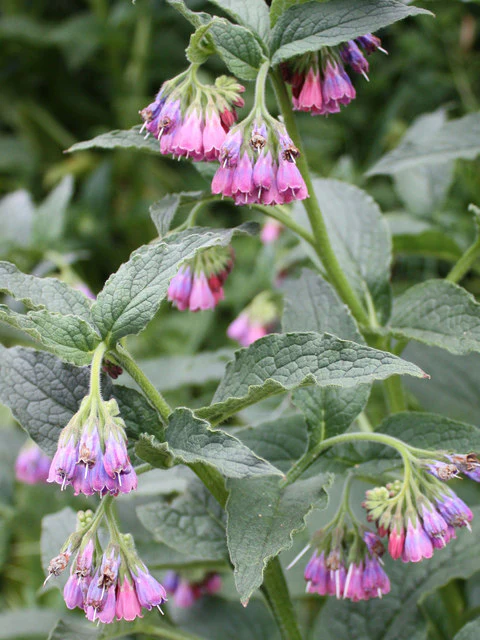
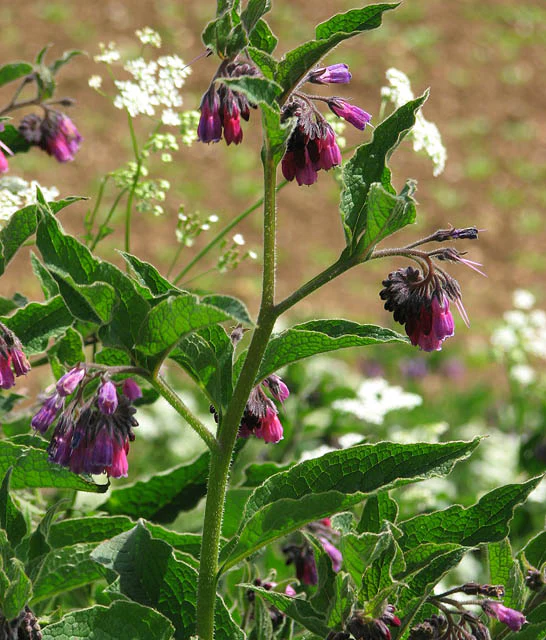
Shape - Plant Characteristics: Comfrey has coarse, hairy leaves and produces clusters of small, bell-shaped flowers that can be purple, pink, or white.
Hardy or Not Hardy: Comfrey is a hardy perennial plant, able to withstand cold temperatures.
Diseases: Comfrey is generally resistant to most diseases and pests.
Comfrey - Uses
Uses in Garden: Comfrey is a versatile plant used in gardens for its ability to improve soil quality, attract pollinators with its flowers, and as a medicinal herb for making herbal remedies like comfrey salve or tea.Comfrey - Planting Characteristics
Preferred Planting Aspect: Comfrey thrives in full sun to partial shade.Frost Hardy: Yes, comfrey is frost hardy.
Fast or Slow Growing: Comfrey is a fast-growing plant, often referred to as a dynamic accumulator for its ability to draw up nutrients from deep in the soil.
Pruning Advice: Prune comfrey plants back in late autumn or early spring to encourage fresh growth.
Comfrey - Planting Instructions in an Irish Climate
Sowing Time: Plant comfrey in early spring or early autumn.
Instruction: Choose a well-drained location and space comfrey plants about 60-90 cm apart. Plant the root cuttings or divisions about 5-10 cm deep.
Trench Preparation: Trench preparation is not necessary for comfrey.
Positioning of Plants: Plant in a sunny to partially shaded spot.
Plant Spacing: Space comfrey plants 60-90 cm apart.
Pruning: Prune back comfrey in late autumn or early spring to encourage vigorous growth.
Facts About Product: Comfrey is not only a valuable addition to your garden but also a useful herb with a history of medicinal use for its ability to promote healing and soothe skin irritations.
Enhance your garden with the versatility and resilience of Comfrey. Whether you want to enrich your soil, attract pollinators, or harness its medicinal properties, Comfrey is a valuable addition to any garden. Order yours today and enjoy the benefits of this remarkable plant.
Original: $3.45
-65%$3.45
$1.21Product Information
Product Information
Shipping & Returns
Shipping & Returns
Description
Comfrey - Description
Potted Symphytum officinaleCommon Name: Comfrey
Other Names: Knitbone, Boneset, Bruisewort
Indoors or Outdoor: Typically grown outdoors
Size: Comfrey plants can reach a height of 60-120 cm and spread up to 90 cm.
Comfrey - Delivery
Delivery Info: Your healthy Comfrey plant will be carefully packaged and shipped directly to your doorstep, ready for planting.Comfrey - Characteristics
Mature Size: Comfrey typically grows to a height of 60-120 cm with a spread of up to 90 cm.Evergreen or Deciduous: Deciduous, meaning it loses its leaves in the winter.
Preferred Position: Comfrey thrives in full sun to partial shade.
Shape - Plant Characteristics: Comfrey has coarse, hairy leaves and produces clusters of small, bell-shaped flowers that can be purple, pink, or white.
Hardy or Not Hardy: Comfrey is a hardy perennial plant, able to withstand cold temperatures.
Diseases: Comfrey is generally resistant to most diseases and pests.
Comfrey - Uses
Uses in Garden: Comfrey is a versatile plant used in gardens for its ability to improve soil quality, attract pollinators with its flowers, and as a medicinal herb for making herbal remedies like comfrey salve or tea.Comfrey - Planting Characteristics
Preferred Planting Aspect: Comfrey thrives in full sun to partial shade.Frost Hardy: Yes, comfrey is frost hardy.
Fast or Slow Growing: Comfrey is a fast-growing plant, often referred to as a dynamic accumulator for its ability to draw up nutrients from deep in the soil.
Pruning Advice: Prune comfrey plants back in late autumn or early spring to encourage fresh growth.
Comfrey - Planting Instructions in an Irish Climate
Sowing Time: Plant comfrey in early spring or early autumn.
Instruction: Choose a well-drained location and space comfrey plants about 60-90 cm apart. Plant the root cuttings or divisions about 5-10 cm deep.
Trench Preparation: Trench preparation is not necessary for comfrey.
Positioning of Plants: Plant in a sunny to partially shaded spot.
Plant Spacing: Space comfrey plants 60-90 cm apart.
Pruning: Prune back comfrey in late autumn or early spring to encourage vigorous growth.
Facts About Product: Comfrey is not only a valuable addition to your garden but also a useful herb with a history of medicinal use for its ability to promote healing and soothe skin irritations.
Enhance your garden with the versatility and resilience of Comfrey. Whether you want to enrich your soil, attract pollinators, or harness its medicinal properties, Comfrey is a valuable addition to any garden. Order yours today and enjoy the benefits of this remarkable plant.