Brassica (smooth)
Brassica - Description
Potted Brassica spp.Common Name: Brassicas
Other Names: Cruciferous vegetables
Indoors or Outdoor: Typically grown outdoors
Size: Size varies depending on the specific Brassica species and variety, ranging from compact to large.
Brassica - Delivery
Delivery Info: Your healthy Brassica plants will be carefully packaged and shipped directly to your doorstep, ready for planting.Brassica - Characteristics
Mature Size: The mature size varies by species and variety.Evergreen or Deciduous: Typically deciduous, as most Brassica species are grown for their edible leaves or heads.
Preferred Position: Full sun to partial shade, depending on the specific Brassica type.
Shape - Plant Characteristics: Brassicas have diverse forms, from leafy greens like kale to compact heads like cabbage.
Hardy or Not Hardy: Many Brassica species are hardy and can withstand cold temperatures.
Diseases: Brassicas can be susceptible to various diseases like clubroot and downy mildew, so proper care and crop rotation are important.
Brassica - Uses
Uses in Garden: Brassicas are versatile vegetables used in salads, stir-fries, and as side dishes. They can also be used as ornamental plants in some cases.Brassica - Characteristics
Preferred Planting Aspect: Full sun for most Brassica varieties.Is it Frost Hardy: Many Brassicas are frost-hardy and even improve in flavor after exposure to frost.
Fast or Slow Growing: Growth rate varies by species and variety, but many Brassicas have a relatively fast growth rate.
Pruning Advice: Regular harvesting of leaves or heads is a form of pruning for Brassicas.
Brassica - Planting Instructions in an Irish Climate
Sowing Time: Depending on the specific Brassica type, sow seeds in late winter to early spring or late summer for a fall harvest.
Instruction: Plant in well-draining soil enriched with organic matter.
Trench Preparation: Trench preparation may not be necessary for all Brassica varieties.
Positioning of Plants: Space Brassica plants according to the recommended spacing for the specific variety.
Plant Spacing: Plant spacing varies depending on the Brassica variety but typically ranges from 30 to 60 centimeters.
Pruning: Harvest leaves or heads as they mature to encourage new growth.
Facts About Products: Brassicas are not only nutritious but also a great addition to your garden, offering a range of flavors and culinary possibilities. From the sweetness of broccoli to the robustness of kale, Brassicas are a must-have for any home gardener.
Product Information
Product Information
Shipping & Returns
Shipping & Returns
Brassica (smooth)
Brassica (smooth)
Brassica - Description
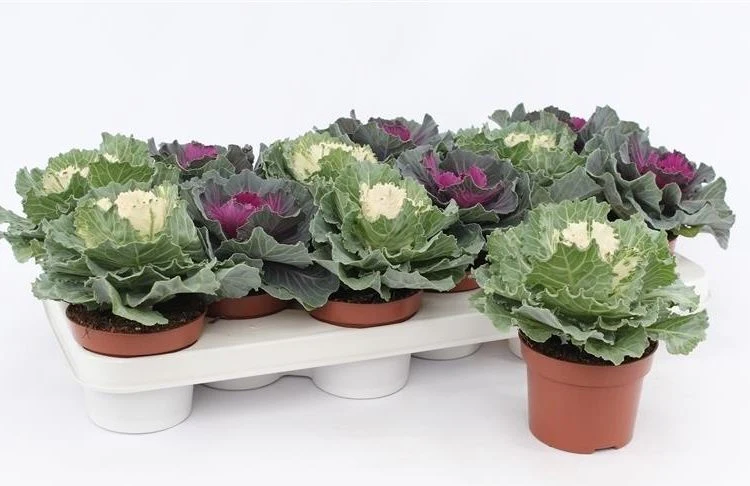
Potted Brassica spp.Common Name: Brassicas
Other Names: Cruciferous vegetables
Indoors or Outdoor: Typically grown outdoors
Size: Size varies depending on the specific Brassica species and variety, ranging from compact to large.
Brassica - Delivery
Delivery Info: Your healthy Brassica plants will be carefully packaged and shipped directly to your doorstep, ready for planting.Brassica - Characteristics
Mature Size: The mature size varies by species and variety.Evergreen or Deciduous: Typically deciduous, as most Brassica species are grown for their edible leaves or heads.
Preferred Position: Full sun to partial shade, depending on the specific Brassica type.
Shape - Plant Characteristics: Brassicas have diverse forms, from leafy greens like kale to compact heads like cabbage.
Hardy or Not Hardy: Many Brassica species are hardy and can withstand cold temperatures.
Diseases: Brassicas can be susceptible to various diseases like clubroot and downy mildew, so proper care and crop rotation are important.
Brassica - Uses
Uses in Garden: Brassicas are versatile vegetables used in salads, stir-fries, and as side dishes. They can also be used as ornamental plants in some cases.Brassica - Characteristics
Preferred Planting Aspect: Full sun for most Brassica varieties.Is it Frost Hardy: Many Brassicas are frost-hardy and even improve in flavor after exposure to frost.
Fast or Slow Growing: Growth rate varies by species and variety, but many Brassicas have a relatively fast growth rate.
Pruning Advice: Regular harvesting of leaves or heads is a form of pruning for Brassicas.
Brassica - Planting Instructions in an Irish Climate
Sowing Time: Depending on the specific Brassica type, sow seeds in late winter to early spring or late summer for a fall harvest.
Instruction: Plant in well-draining soil enriched with organic matter.
Trench Preparation: Trench preparation may not be necessary for all Brassica varieties.
Positioning of Plants: Space Brassica plants according to the recommended spacing for the specific variety.
Plant Spacing: Plant spacing varies depending on the Brassica variety but typically ranges from 30 to 60 centimeters.
Pruning: Harvest leaves or heads as they mature to encourage new growth.
Facts About Products: Brassicas are not only nutritious but also a great addition to your garden, offering a range of flavors and culinary possibilities. From the sweetness of broccoli to the robustness of kale, Brassicas are a must-have for any home gardener.
Product Information
Product Information
Shipping & Returns
Shipping & Returns
Description
Brassica - Description
Potted Brassica spp.Common Name: Brassicas
Other Names: Cruciferous vegetables
Indoors or Outdoor: Typically grown outdoors
Size: Size varies depending on the specific Brassica species and variety, ranging from compact to large.
Brassica - Delivery
Delivery Info: Your healthy Brassica plants will be carefully packaged and shipped directly to your doorstep, ready for planting.Brassica - Characteristics
Mature Size: The mature size varies by species and variety.Evergreen or Deciduous: Typically deciduous, as most Brassica species are grown for their edible leaves or heads.
Preferred Position: Full sun to partial shade, depending on the specific Brassica type.
Shape - Plant Characteristics: Brassicas have diverse forms, from leafy greens like kale to compact heads like cabbage.
Hardy or Not Hardy: Many Brassica species are hardy and can withstand cold temperatures.
Diseases: Brassicas can be susceptible to various diseases like clubroot and downy mildew, so proper care and crop rotation are important.
Brassica - Uses
Uses in Garden: Brassicas are versatile vegetables used in salads, stir-fries, and as side dishes. They can also be used as ornamental plants in some cases.Brassica - Characteristics
Preferred Planting Aspect: Full sun for most Brassica varieties.Is it Frost Hardy: Many Brassicas are frost-hardy and even improve in flavor after exposure to frost.
Fast or Slow Growing: Growth rate varies by species and variety, but many Brassicas have a relatively fast growth rate.
Pruning Advice: Regular harvesting of leaves or heads is a form of pruning for Brassicas.
Brassica - Planting Instructions in an Irish Climate
Sowing Time: Depending on the specific Brassica type, sow seeds in late winter to early spring or late summer for a fall harvest.
Instruction: Plant in well-draining soil enriched with organic matter.
Trench Preparation: Trench preparation may not be necessary for all Brassica varieties.
Positioning of Plants: Space Brassica plants according to the recommended spacing for the specific variety.
Plant Spacing: Plant spacing varies depending on the Brassica variety but typically ranges from 30 to 60 centimeters.
Pruning: Harvest leaves or heads as they mature to encourage new growth.
Facts About Products: Brassicas are not only nutritious but also a great addition to your garden, offering a range of flavors and culinary possibilities. From the sweetness of broccoli to the robustness of kale, Brassicas are a must-have for any home gardener.